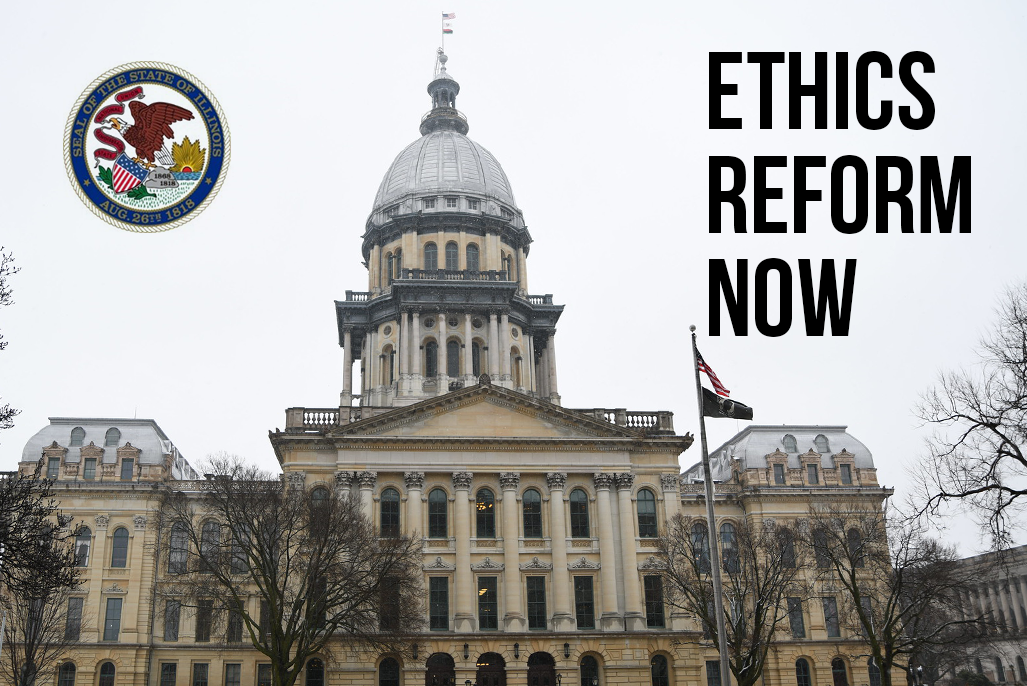
The stain of corruption on Illinois’ government is sadly well known. In recent years, federal prosecutors have been cleaning up the mess caused by Illinois’ lax ethics laws with several high-profile corruption convictions against some of the most powerful politicians in Illinois history. The ComEd Four, the longest-serving House Speaker in Illinois, Michael Madigan, long-time Chicago Alderman Ed Burke, Madigan’s Chief of Staff Tim Mapes, and others are now behind bars.
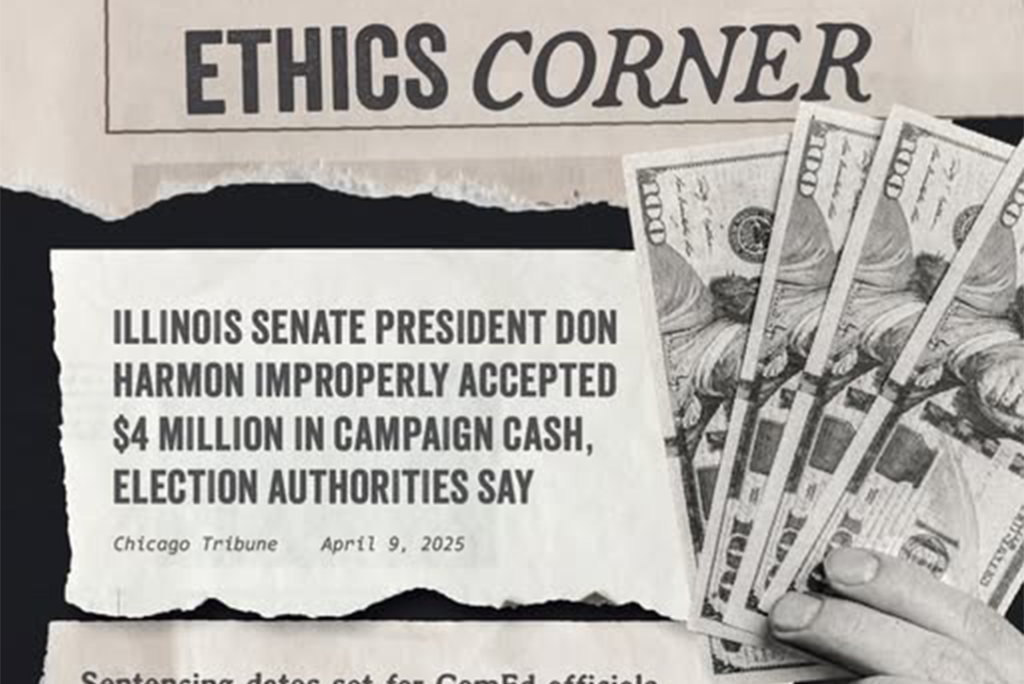
Despite these many corruption cases, Illinois Democrats who control the state legislature still refuse to pass the meaningful ethics reform necessary to stop the graft in Illinois politics and restore trust in government to the people of Illinois.
State Representative Kevin Schmidt supports his colleagues and legislation that would restore trust within the State of Illinois.
This year alone, House Republicans have served up bills to empower the Legislative Inspector General (Spain – HB 1382), improve lobbying regulation (Spain – HB 1384, HB 1385, Windhorst – HB 2413), enforce conflict of interest rules (Wilhour – HB 3121) and prevent campaign funds from being used for criminal defense (McCombie – HB 1554). Unfortunately, since Madigan was removed as Speaker, Democrats have allowed only one ethics-related bill to pass. However, the new law (Public Act 102-664) was so watered down and filled with loopholes that the Legislative Inspector General ultimately resigned in protest. This bill actually made it harder to investigate corruption. It is not reform when you tie the hands of the person tasked with investigating legislative corruption.
Necessary ethics reforms include:
- End the revolving door of lawmaker to lobbyist. Prohibit lawmakers from acting as lobbyists while they’re in office and establish a two-year limit between retiring as lawmaker and becoming lobbyist.
- Require better financial disclosure and voting recusal for conflicts of interest. Mandate lawmakers to provide detailed statements of economic interests and to recuse themselves from voting in the case of a conflict of interest, with real penalties for violating this rule.
- Empower the legislative inspector general. Allow the office to serve as a watchdog able to issue subpoenas on its own initiative and publish findings of wrongdoing.
- Enact true fair maps. Adopt a redistricting process that places map-making power with an independent redistricting commission and removes it from the hands of lawmakers who stand to benefit from drawing their own districts in their favor.
- Reform the House Rules. Right-size the speaker’s legislative power so one political office does not have the power in the General Assembly to determine when or even whether a bill is called for a vote.
The Illinois House of Representatives is set to reconvene on January 20, 2026, and House Republicans will continue demanding that ethics reform legislation be taken up to restore trust in Illinois government.