CTA arson attack suspect was on Illinois release status after 72 prior arrests. The suspect in the November 17 CTA Blue Line attack, in which a victim was doused with gasoline and set on fire, is a person who had previously been arrested on serious criminal charges and then released into what the court called “home confinement.” A pervasive pattern of home-confinement violations has been repeatedly observed in Chicago and Cook County. After being placed in “home confinement” suspect Lawrence Reed ignored the court advice, left his home, filled a container with gasoline, and climbed aboard a Blue Line electric train. A search of Reed’s criminal record showed that he had 72 prior arrests. The arson victim, Bethany MaGee, survived with critical injuries.
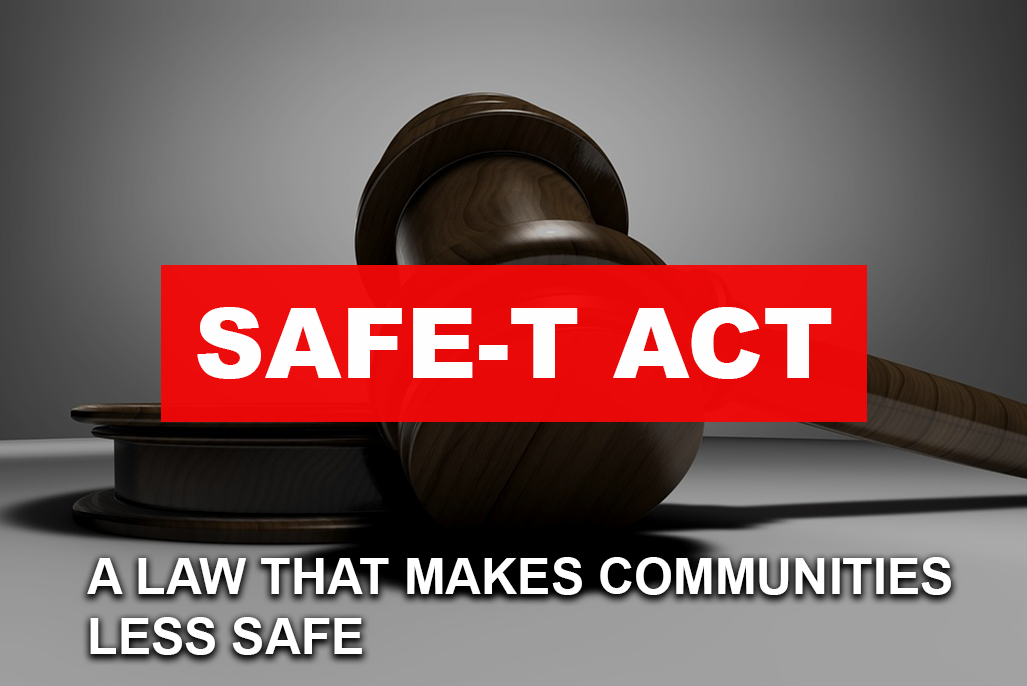
Current Illinois law, the so-called ‘SAFE-T Act,’ allows (and, in the views of many jurists and law enforcement officials, encourages) the courts to grant pre-trial release to persons awaiting trial on serious criminal charges. Illinois House Republicans unanimously oppose the SAFE-T Act and demand that Illinois courts be given the power to keep dangerous criminals in confinement rather than releasing them to go back out onto the streets. The CTA incident has led to many other voices joining this call, including a powerful editorial in the Chicago Tribune. However, many Illinois Democrats continue to hold what, from their point of view, is an uncompromising position that the SAFE-T Act must continue to operate and must continue to let dangerous criminals free, especially in the Chicago area.
The U.S. Department of Justice has removed the Reed-MaGee case from the umbrella of Illinois jurisdiction, including the SAFE-T Act. The accused perpetrator has been charged with an act of terrorism and will be imprisoned pending his trial.
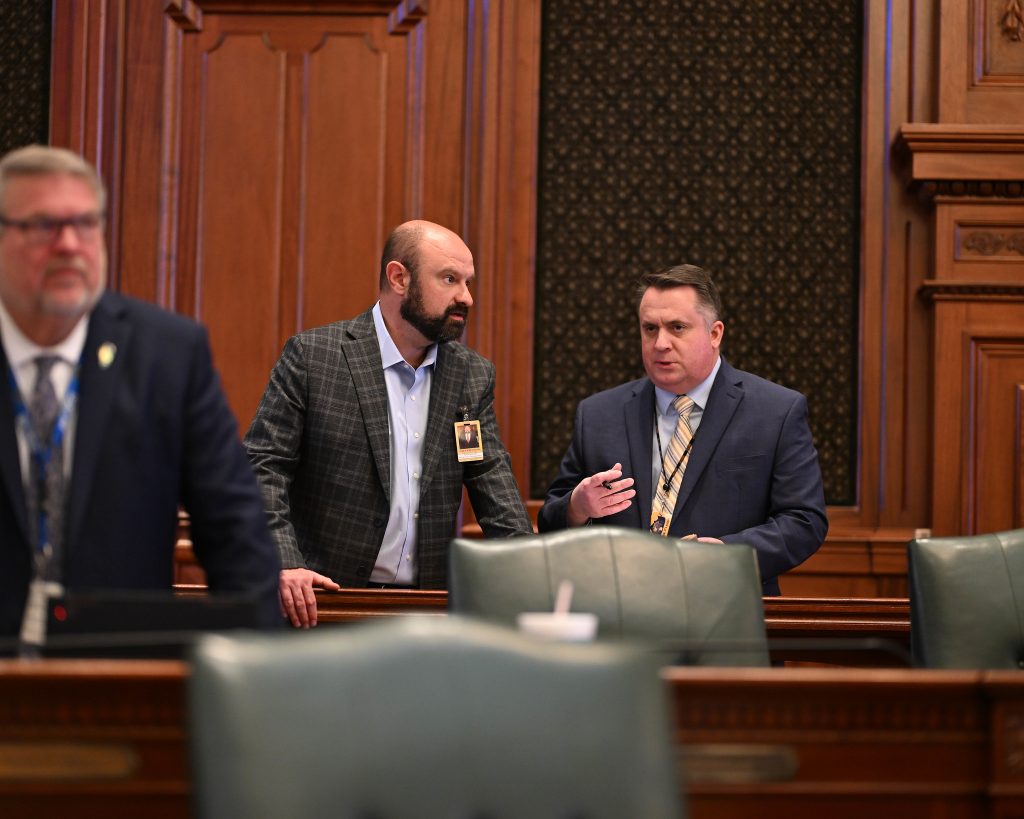
State Rep Kevin Schmidt issued the following statement.
“Every citizen of Illinois deserves to live free of fear as they live, work, and raise a family. The SAFE-T Act has made communities less safe and criminals even more brazen. We must repeal this law and prioritize the safety of Illinois residents.”